← Back to blog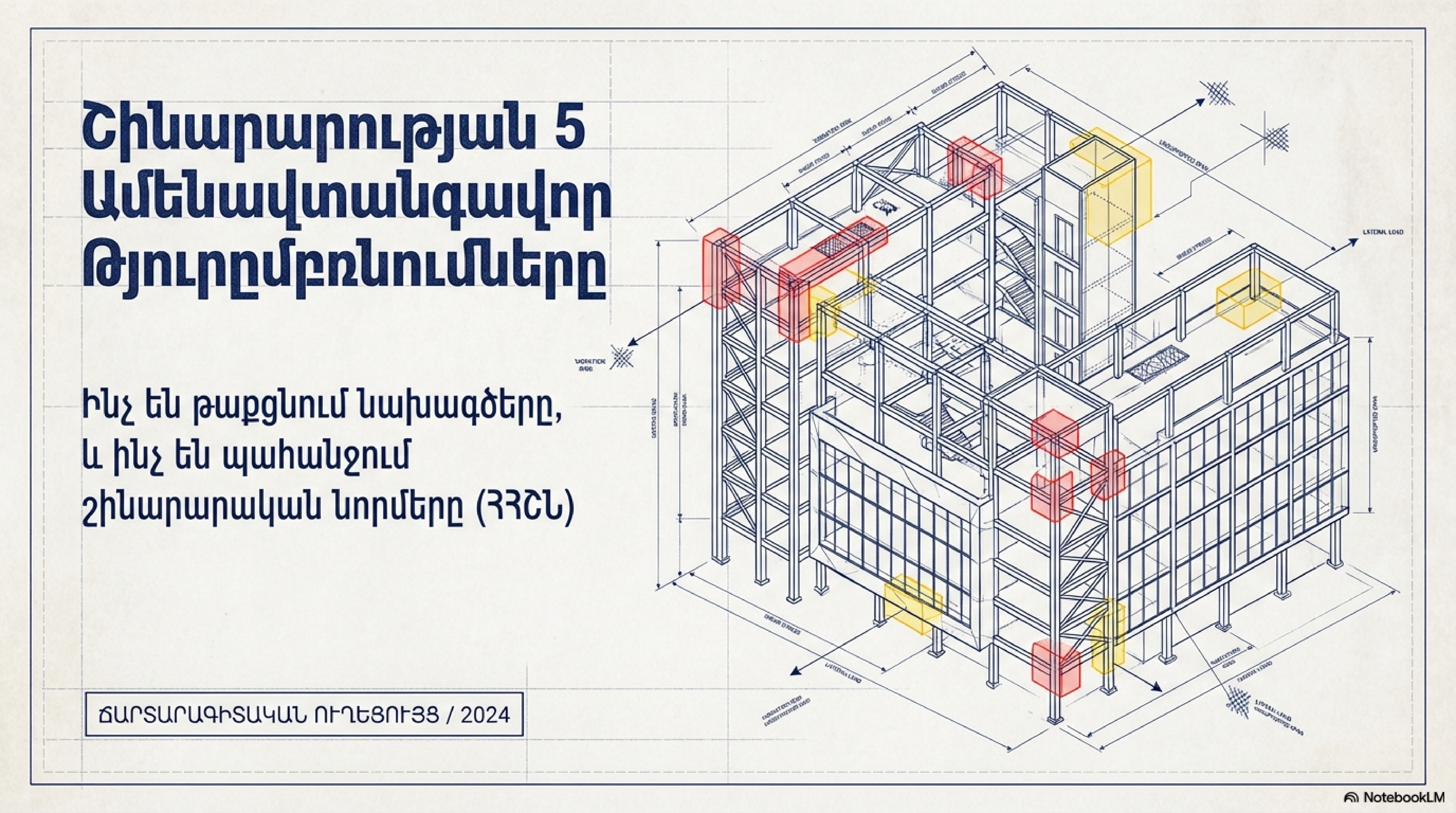
April 16, 2026
The 5 Most Dangerous Misconceptions in сonstruction: What you need to know
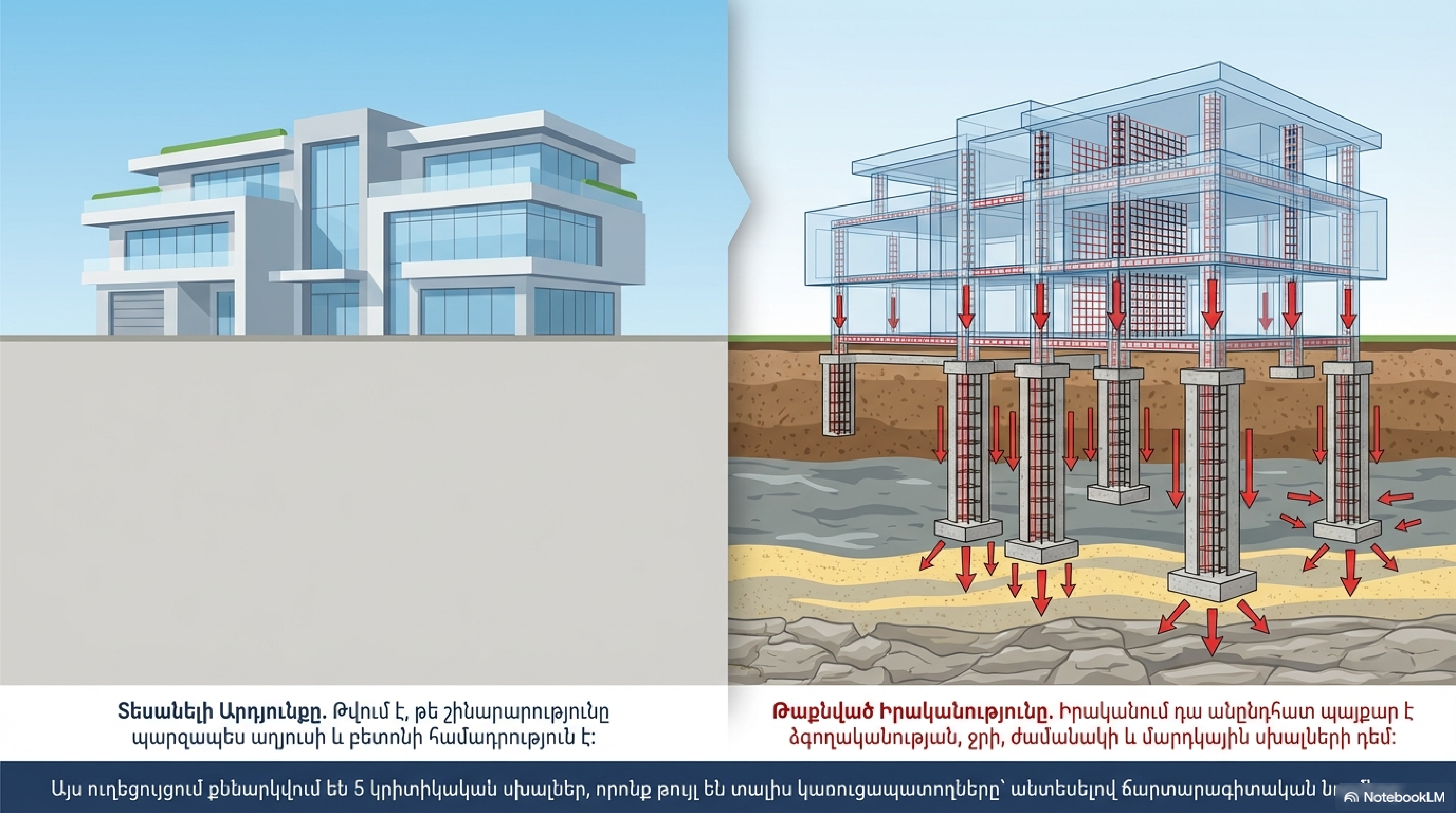
At first glance, construction seems to be merely a combination of brick and concrete. In reality, it is a continuous battle against gravity, water, time, and human errors. In this article, we'll discuss the 5 most dangerous misconceptions in construction and what building norms actually require.
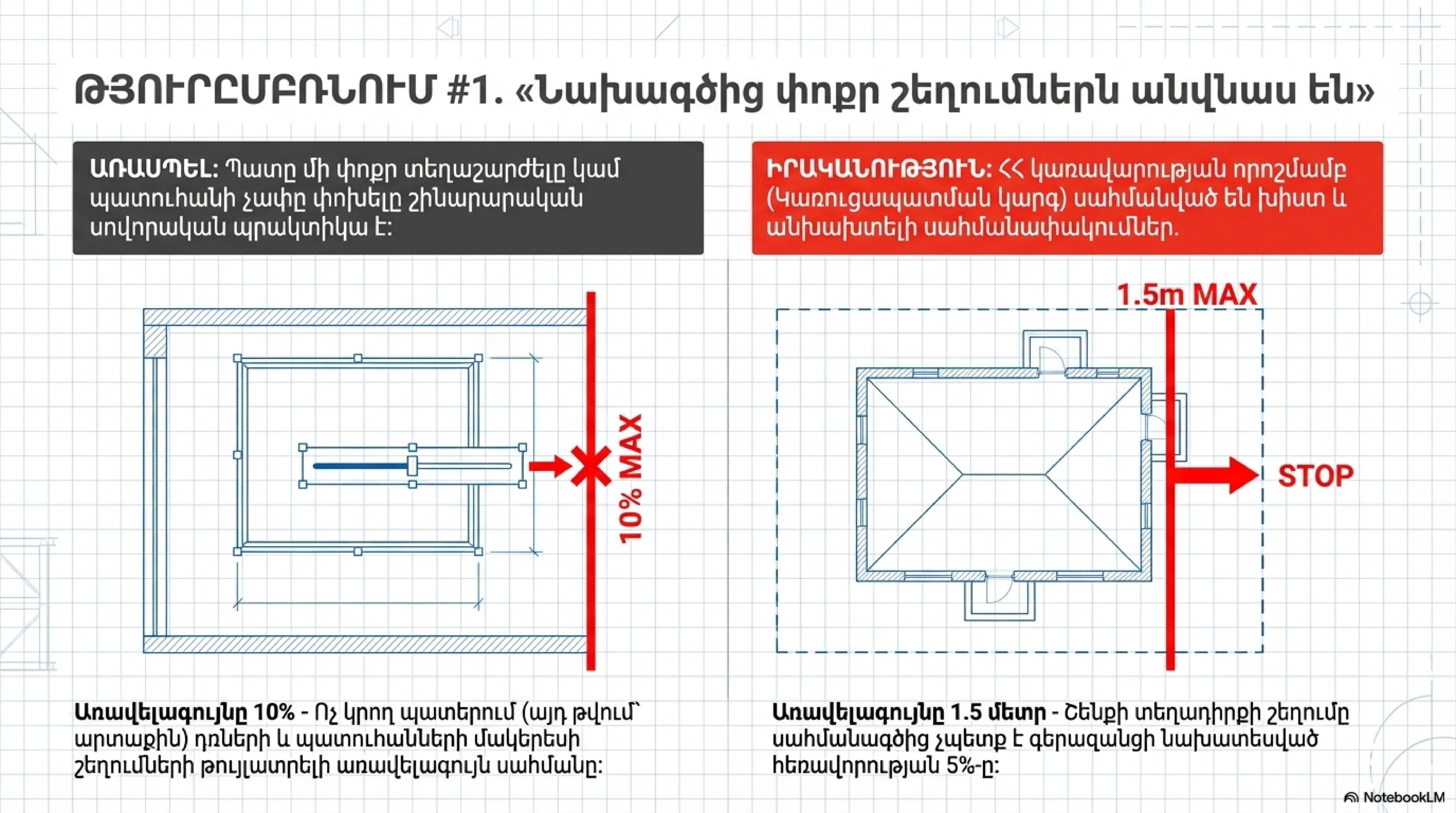
Misconception 1: "Minor design deviations are harmless"
Many believe that shifting a wall slightly or changing window sizes is standard practice. In reality, there are strict, inviolable limitations:
• In non-load-bearing walls, the maximum allowable deviation for door and window areas is 10%.
• The deviation of the building's position from the boundary line must not exceed 5% of the planned distance (maximum 1.5 meters).
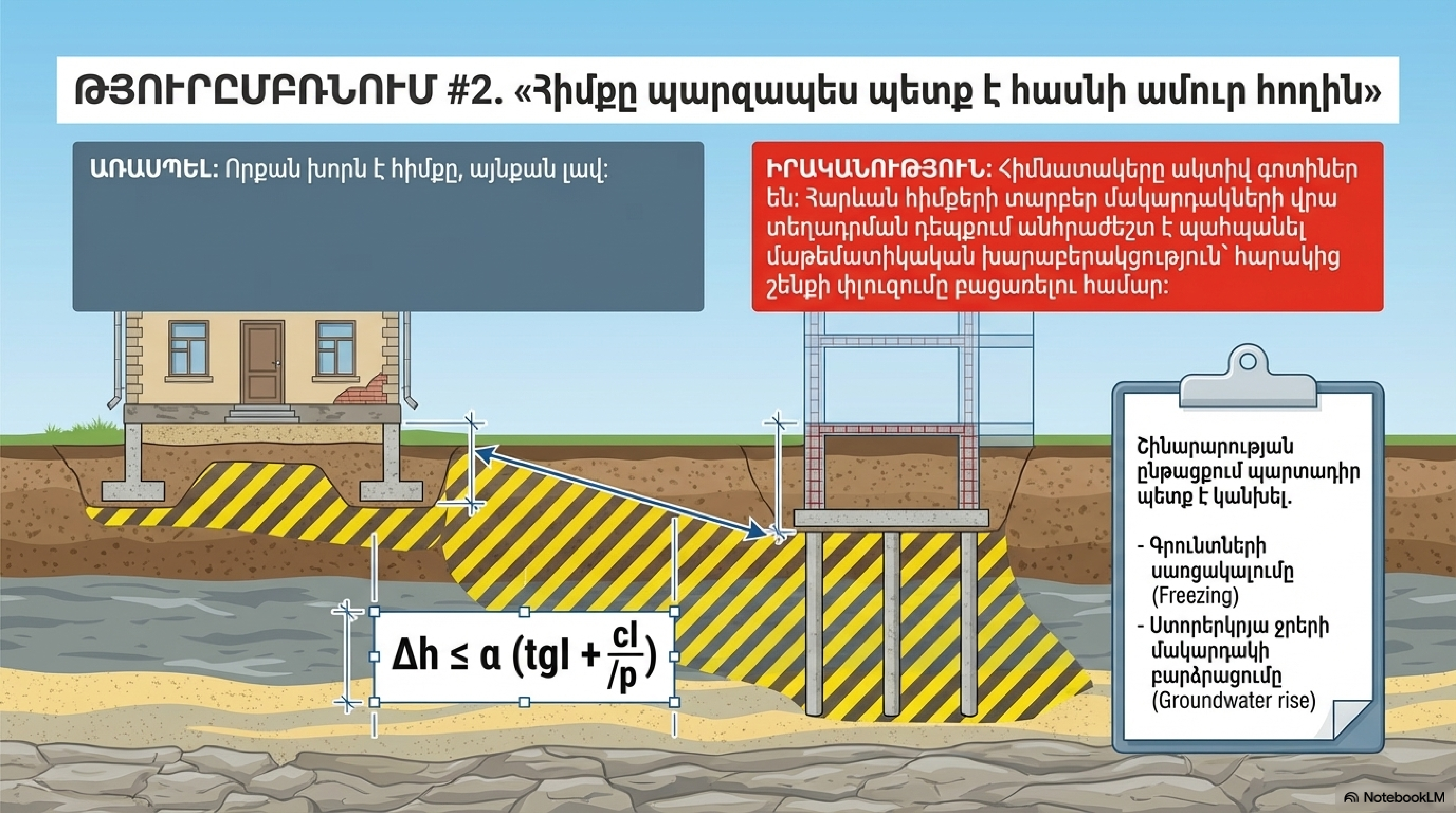
Misconception 2: "The foundation just needs to reach solid ground"
There is a myth that the deeper the foundation, the better. In truth, foundations are active zones. To prevent the collapse of adjacent buildings, precise ratios must be maintained. During construction, it is mandatory to prevent ground freezing and groundwater rise.
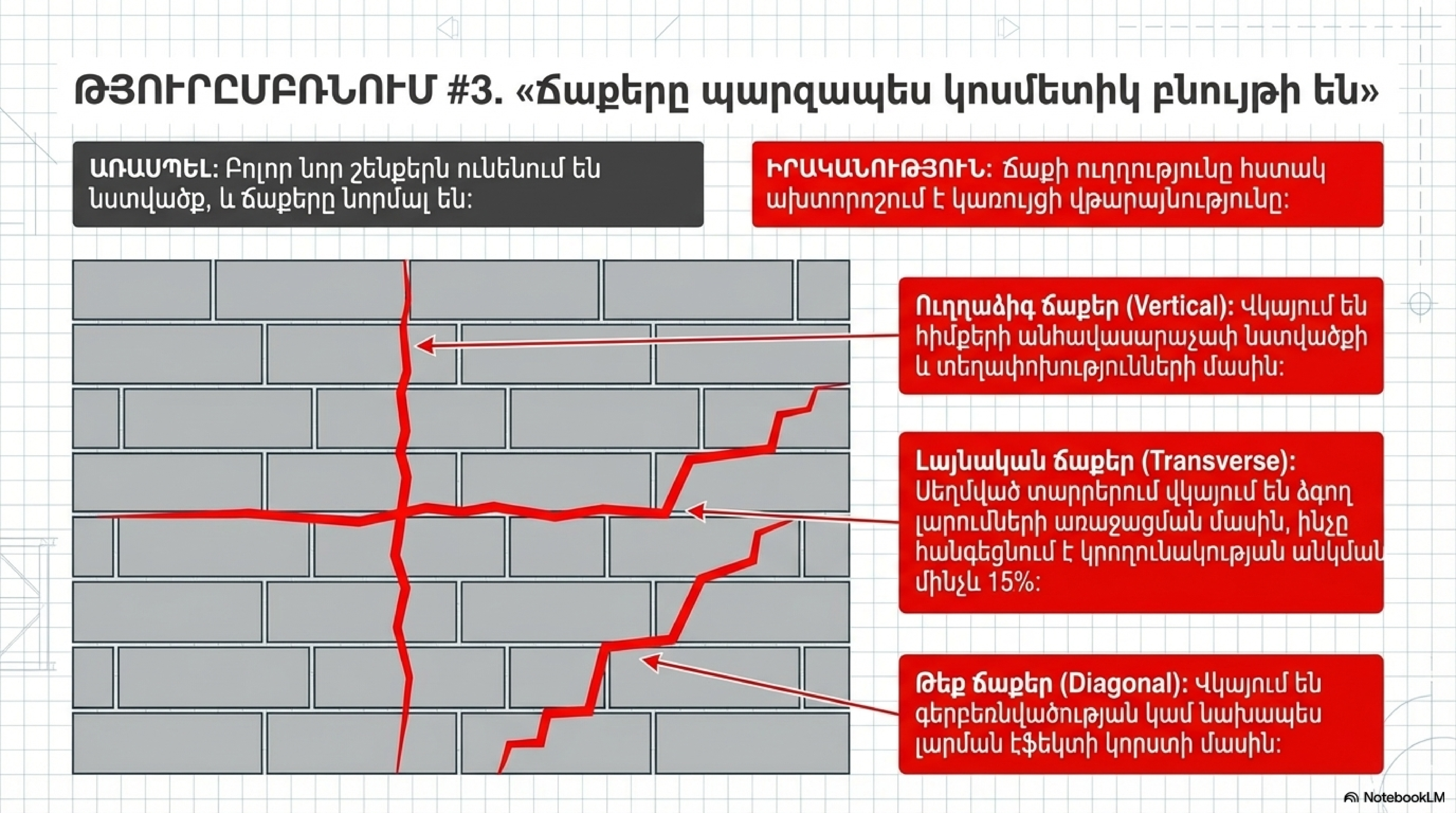
Misconception 3: "Cracks are merely cosmetic"
It is commonly thought that all new buildings settle and cracks are normal. However, the direction of a crack clearly diagnoses structural hazards:
• Vertical cracks: Indicate uneven foundation settlement and displacements.
• Transverse cracks: Indicate tensile stress, which can lead to a load capacity drop of up to 15%.
• Diagonal cracks: Indicate overloading.
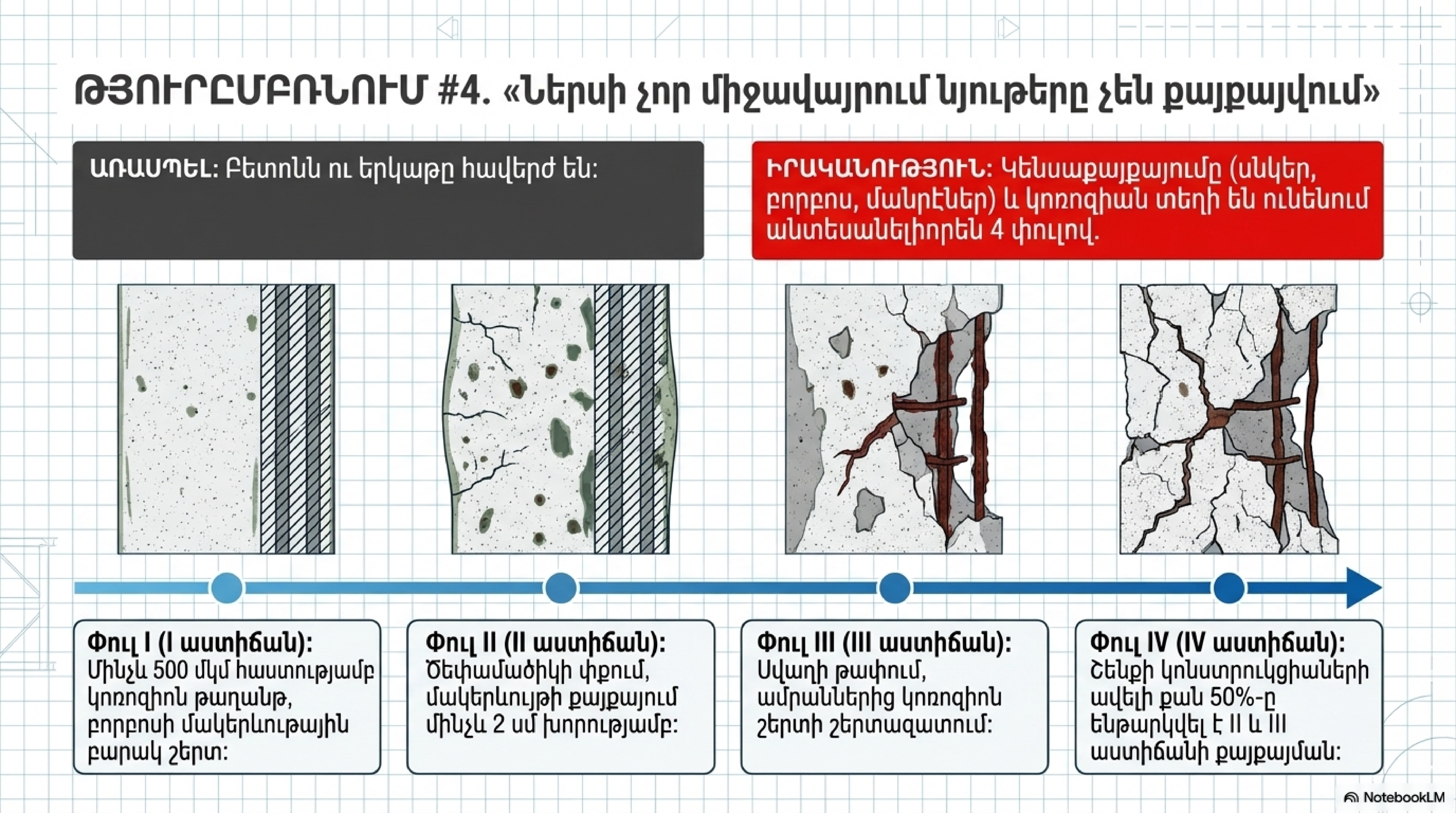
Misconception 4: "Materials don't degrade in dry indoor environments"
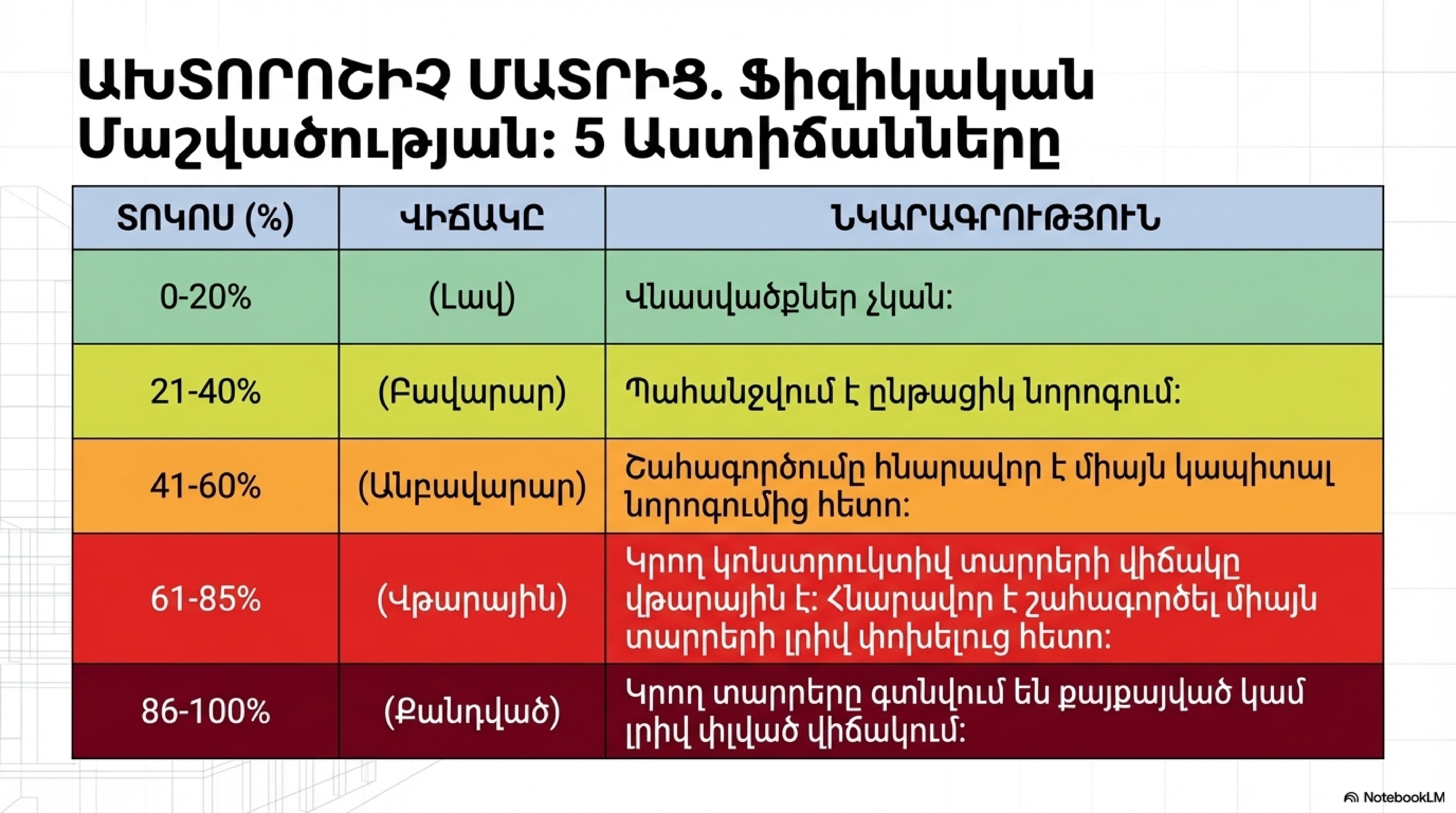
Concrete and steel are not eternal. Biodegradation (fungi, mold) and corrosion happen invisibly across 4 stages—starting from a thin surface layer to severe decay where over 50% of the building structures are compromised.
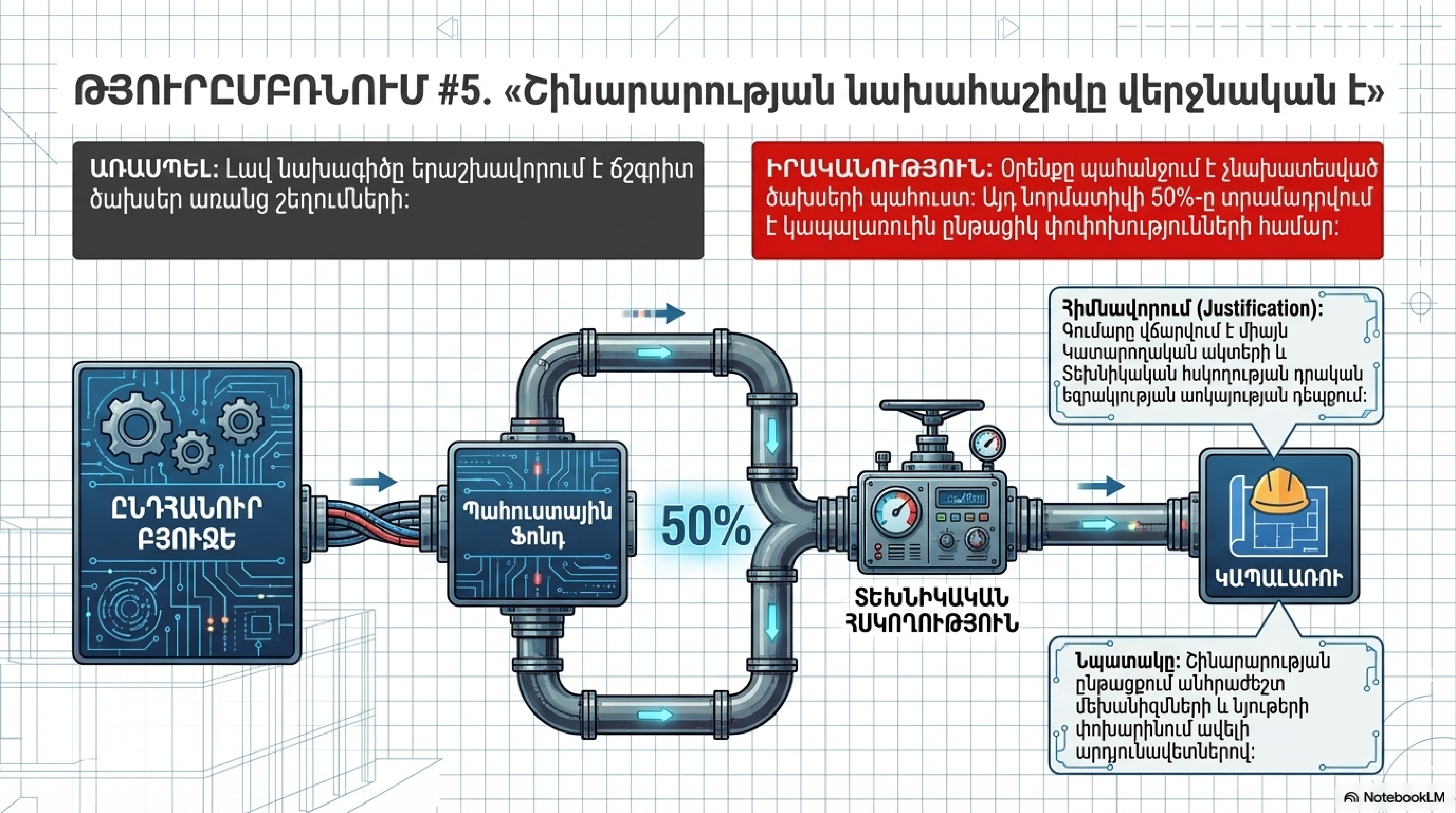
Misconception 5: "The construction estimate is final"
A good design does not guarantee exact costs with zero deviations. The law requires a contingency fund for unforeseen expenses. This money is only paid out upon the availability of performance acts and a positive conclusion from Technical Control.
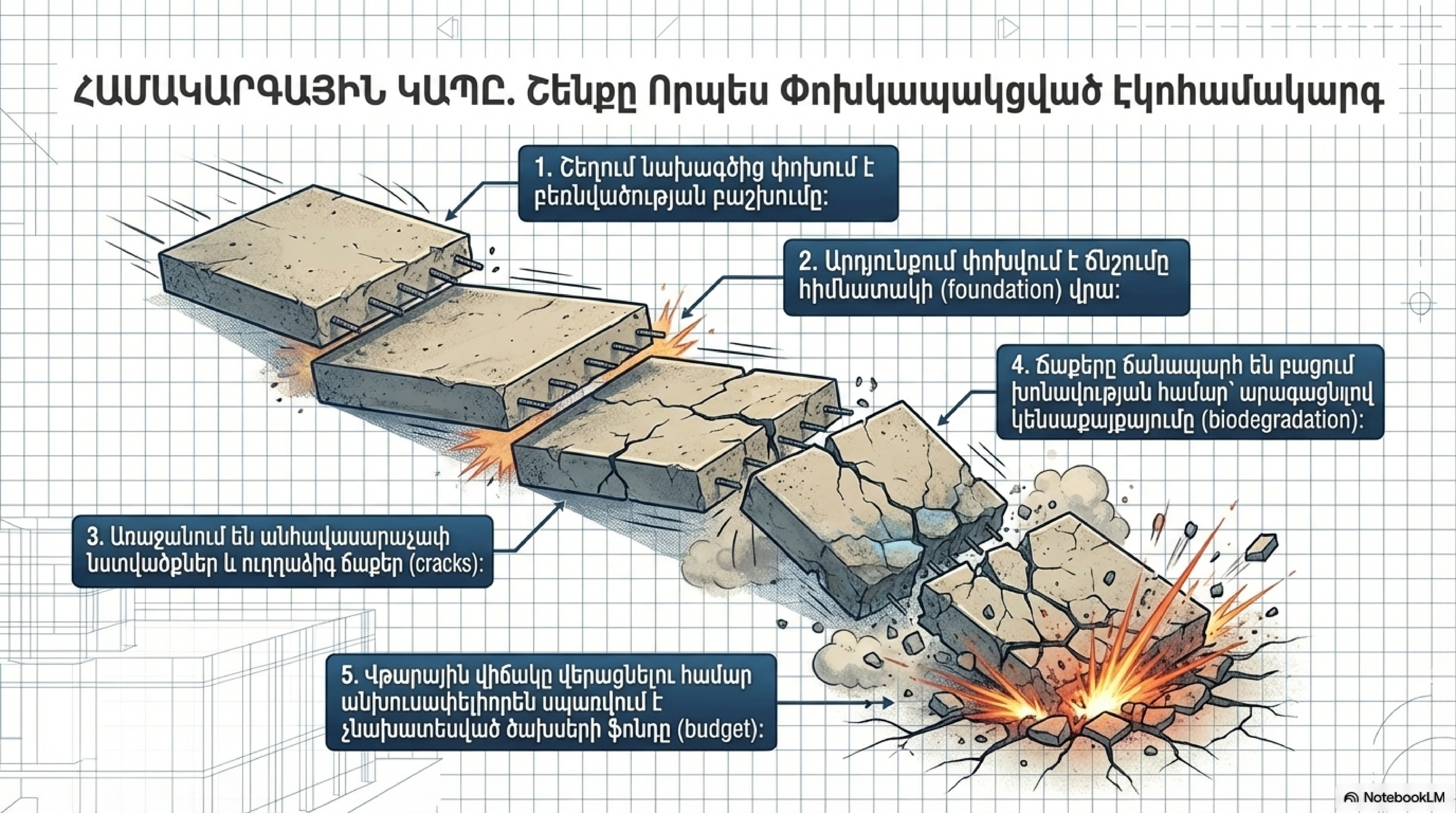
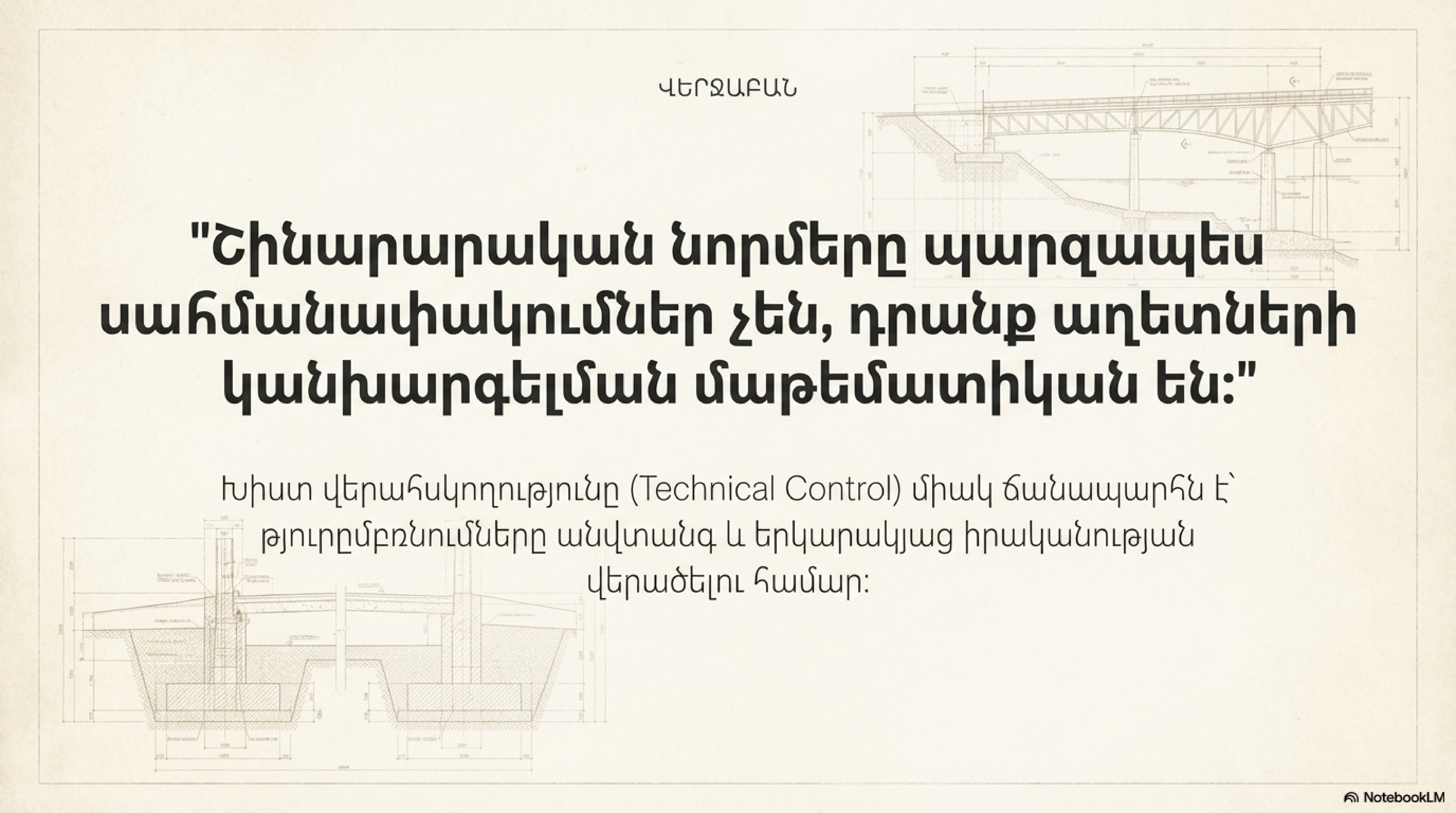
Summary: A building is an interconnected ecosystem. A deviation from the project alters load distribution, leading to uneven settlement and cracks. Cracks open a path for moisture, and fixing these emergencies inevitably depletes the contingency budget. Construction norms are not merely restrictions; they are the math of disaster prevention. Strict Technical Control is the only way to turn these misconceptions into a safe reality.